The way individuals borrow money has undergone a steady but noticeable change over the past decade. With the rise of smartphones and digital banking access, borrowing is no longer limited to long queues, paperwork, or branch visits. A personal loan app has become a preferred option for people who value speed, transparency, and convenience. Alongside this shift, borrowers are also exploring alternatives such as gold loan facilities and using a quick loan app to manage short-term financial gaps.
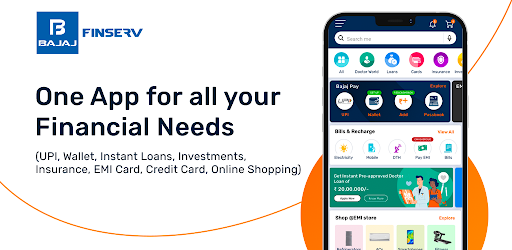
Digital lending habits today reflect practical decision-making rather than impulse borrowing. Users compare repayment terms, assess interest costs, and select borrowing options that align with their income patterns. This article explores how these habits are shaping the personal loan app era and influencing the broader digital lending ecosystem.
Understanding the Shift Toward Digital Borrowing
The Decline of Traditional Loan Processes
Earlier, borrowing required multiple physical steps, including document verification, in-person meetings, and delayed approvals. These processes often discouraged individuals from seeking formal credit. The introduction of a personal loan app simplified this experience by reducing dependency on manual procedures.
Digital platforms allow users to apply, verify, and track loans through a single interface. This shift has made borrowing more structured and predictable for users across income groups.
Technology as an Enabler
Digital identity systems, online bank verification, and automated credit assessments have made loan approvals faster without compromising accuracy. Borrowers now expect clarity on loan terms before committing, which has influenced how personal loan app platforms design their user journeys.
Borrower Behavior in the Personal Loan App Era
Preference for Shorter Loan Cycles
Modern borrowers increasingly prefer shorter repayment durations. Instead of long-term commitments, users often opt for flexible tenures that suit their monthly cash flow. A quick loan app is commonly used for short-duration needs such as medical expenses, travel costs, or temporary income mismatches.
This behavior has encouraged lenders to design loan products that focus on manageable repayment schedules rather than extended obligations.
Increased Awareness of Loan Responsibility
Borrowers today are more informed than before. They review repayment schedules, late payment consequences, and total interest payable. The presence of comparison tools within a personal loan app has contributed to this awareness.
This informed behavior has reduced random borrowing and encouraged planned credit usage.
Role of Alternative Loan Options
Growing Interest in Asset-Backed Loans
While unsecured loans remain popular, asset-based borrowing options such as a gold loan continue to hold relevance. Users who own physical assets often prefer this option due to comparatively stable terms and predictable repayment structures.
A gold loan is commonly considered when borrowers seek higher loan amounts without impacting their credit profile significantly. Digital platforms now integrate such options into their lending ecosystem, giving users more choice.
Combining Digital Access with Traditional Security
The integration of asset-backed lending into digital systems has reshaped borrowing habits. Users can now apply for a gold loan through digital channels while retaining the familiarity of asset-based security. This hybrid approach appeals to borrowers seeking balance between accessibility and financial discipline.
Repayment Patterns and Financial Planning
Structured Repayment Over Convenience
Borrowers increasingly prioritize repayment comfort over loan size. A personal loan app that provides clear monthly breakdowns and reminders supports disciplined repayment behavior.
Users are less likely to overborrow when they can clearly visualize repayment commitments in advance.
Influence of Income Regularity
Individuals with variable income patterns prefer flexible repayment models. Digital lending systems that adapt to income cycles are gaining trust among freelancers and self-employed individuals.
This adaptability has encouraged responsible borrowing rather than dependence on repeated short-term loans.
Impact on Credit Culture
Building Credit Through Digital Loans
Consistent repayment through a personal loan app contributes positively to a borrower’s credit profile. Many users now treat digital loans as a tool to establish or improve credit history.
This long-term view of borrowing has reduced defaults and increased accountability.
Reduced Dependence on Informal Lending
The availability of a quick loan app has reduced reliance on informal borrowing sources. Users now prefer structured digital credit channels that provide documented terms and legal clarity.
This shift supports healthier financial habits and better consumer protection.
Challenges Shaping Borrower Decisions
Managing Over-Availability of Credit
Easy access to loans also requires borrower discipline. Users must assess necessity before applying, especially when multiple lending options are available.
Digital platforms increasingly include educational prompts and repayment estimators to encourage thoughtful borrowing.
Need for Transparent Communication
Borrowers expect simple explanations without complex language. A personal loan app that communicates terms clearly builds long-term trust and repeat usage.
Transparency plays a key role in shaping positive digital lending habits.
The Future of the Personal Loan App Ecosystem
Focus on User Education
Future growth in digital lending depends on informed users. Educational content integrated within loan platforms helps users understand repayment planning, interest calculations, and alternative options such as a gold loan.
This approach supports sustainable borrowing rather than short-term dependency.
Responsible Innovation
As technology evolves, digital lending systems are expected to refine risk assessment without increasing borrower burden. A quick loan app of the future will likely emphasize balance between access and accountability.
Conclusion
The personal loan app era reflects a broader transformation in how individuals approach borrowing. Digital access has shifted focus from urgency-based borrowing to planned financial decisions. Borrowers now evaluate repayment ability, loan duration, and alternative solutions such as a gold loan before applying.
At the same time, the rise of the quick loan app has addressed short-term financial needs without encouraging long-term debt dependency. Together, these trends indicate a maturing digital lending environment where convenience is supported by responsibility.
As digital borrowing habits continue to evolve, the personal loan app ecosystem will remain shaped by user awareness, structured repayment behavior, and the balanced use of options like gold loan facilities and quick loan app solutions.
Leave a Reply